For Canadian families · Updated September 2026

Surrogacy in Mexico for Canadian Parents

The moment families remember is the landing back home: your baby asleep on your chest and a Canadian passport in your carry-on. This guide covers everything between here and there, from Canadian law to your baby's citizenship, written by the team that runs the programs in Cancún.

Book a free call See the all-inclusive programs
Can Canadians do it?Yes. Get independent Canadian legal advice first; Quebec has its own rules.
Citizenship?Decided by IRCC, through a Canadian legal or genetic parent.
What does it cost?One closed, all-inclusive price, from day one to the birth certificate.
Who can do it?Couples, single dads, gay dads, and families with embryos already created.
Where?Cancún, with our own clinic, on Eastern time all year.
1 · The choice

Why Canadian families look to Mexico

In Canada, surrogacy is altruistic: the law does not allow a surrogate to be paid, only reimbursed for specific, receipted expenses. Many intended parents find that path slower and less predictable than they hoped, and start looking at programs abroad.

Mexico brings a surrogacy program within a short flight of home. In Cancún, an agency with its own clinic coordinates the medical, legal and human side under one closed, all-inclusive price, and the city runs on Eastern time all year, so calls with your coordinator fit into a normal Canadian workday.

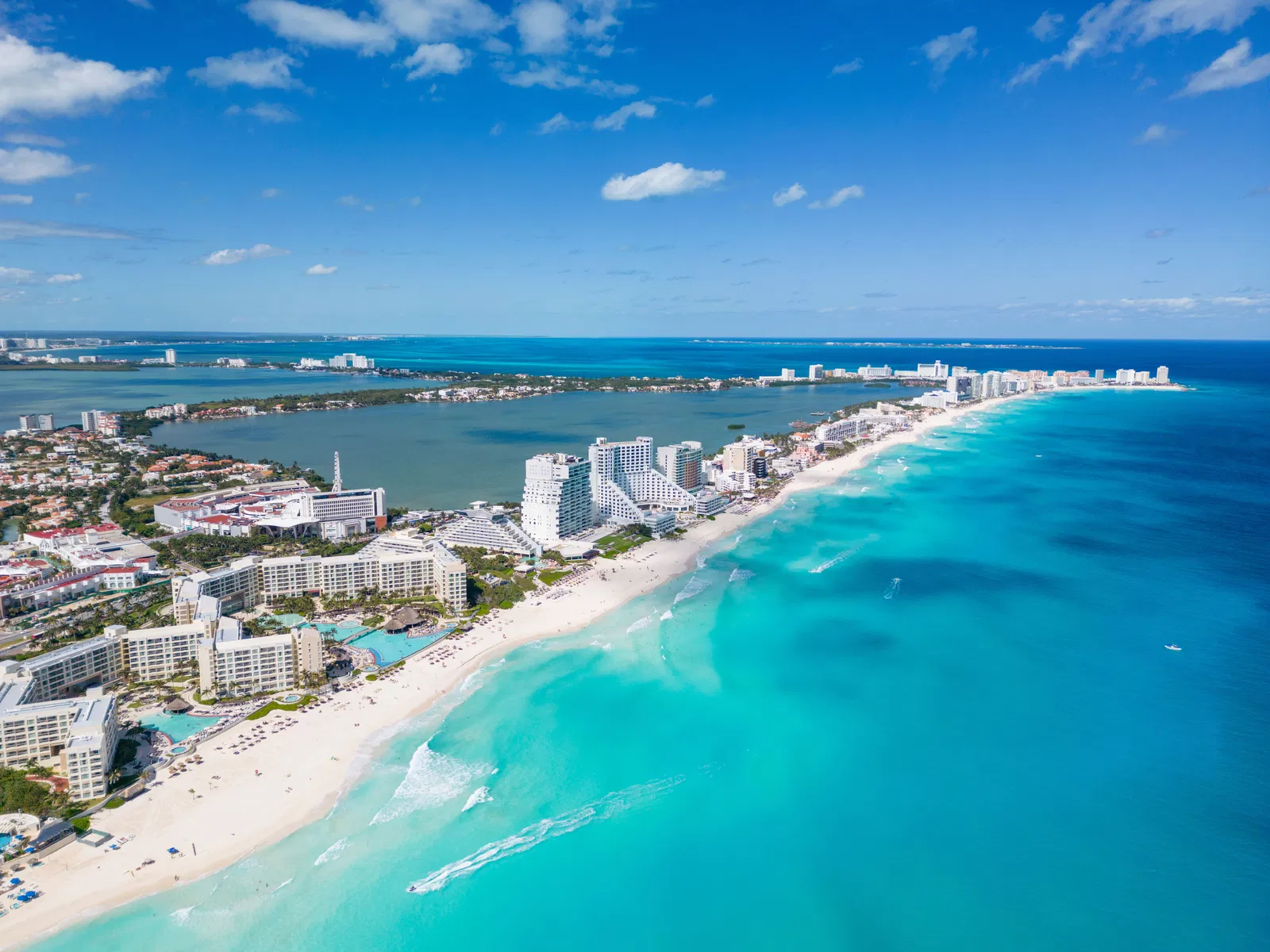
Aerial view of Cancún's hotel zone between the lagoon and the Caribbean Sea
Cancún: a short flight from Canada, and home to our own clinic.
2 · Canadian law

What Canadian law says

Canada's Assisted Human Reproduction Act provides that no person shall pay, offer to pay or advertise payment to a woman to be a surrogate, and it also prohibits paying for arranging a surrogacy in Canada. Surrogates in Canada may only be reimbursed for the expenses listed in the Reimbursement Related to Assisted Human Reproduction Regulations, with receipts.

The Act governs surrogacy arrangements in Canada. Health Canada's guidance on surrogacy prohibitions notes that other domestic and foreign laws may also apply and recommends legal advice. That is our recommendation too: speak with an independent Canadian fertility lawyer before you sign, and we will gladly coordinate with them.

3 · Quebec

If you live in Quebec

Quebec has its own rules for surrogacy outside the province. The Government of Quebec explains that, because no State outside Canada has been designated, parental projects cannot currently be carried out outside Canada with recognition in Quebec. If you live in Quebec, please speak with a Quebec lawyer before starting any program abroad.

4 · Citizenship

Your baby's Canadian citizenship

A baby born in Mexico to a Canadian parent can become a Canadian citizen by descent. Since July 2020, IRCC treats a legal parent at birth and a biological parent equally for citizenship by descent, which matters for two-dad families and families using a donor.

1

Before the birth

Your coordinator and your Canadian immigration lawyer review the file, including whether a Canadian parent has a genetic link, which keeps the file simplest.

2

The documents

The Mexican birth certificate in your names, the court order, the surrogacy agreement and your own proof of citizenship. IRCC may ask for a DNA test from an approved laboratory.

3

Citizenship and passport together

The Embassy of Canada asks families to email its consular section before applying, and to apply for the citizenship certificate and the child's passport at the same time.

4

IRCC decides

The citizenship decision is made by IRCC in Canada. We plan your stay and your flight around that decision.

Since December 15, 2025, a Canadian parent who was also born outside Canada must show 1,095 days of physical presence in Canada before the child's birth to pass on citizenship (Bill C-3). If neither parent is a Canadian citizen, the usual path is sponsoring your baby as a permanent resident.

Wondering what your case would cost?

Get an all-inclusive estimate in two minutes, from the first consultation to your baby's birth certificate.

5 · In Cancún

After the birth in Cancún

Your baby is born in a private hospital, and the Mexican birth certificate names you as parents, with no surrogate listed. Babies born in Mexico are also Mexican citizens, so we guide you through the Mexican passport your baby uses to leave Mexico.

Canada's Consular Agency in Cancún serves families by appointment, alongside the Embassy of Canada in Mexico City. The Government of Canada advises families to be prepared for Mexican legal and administrative steps to take time, so we plan your stay around your case rather than a generic number. For the full sequence, read After the Birth: going home from Mexico.

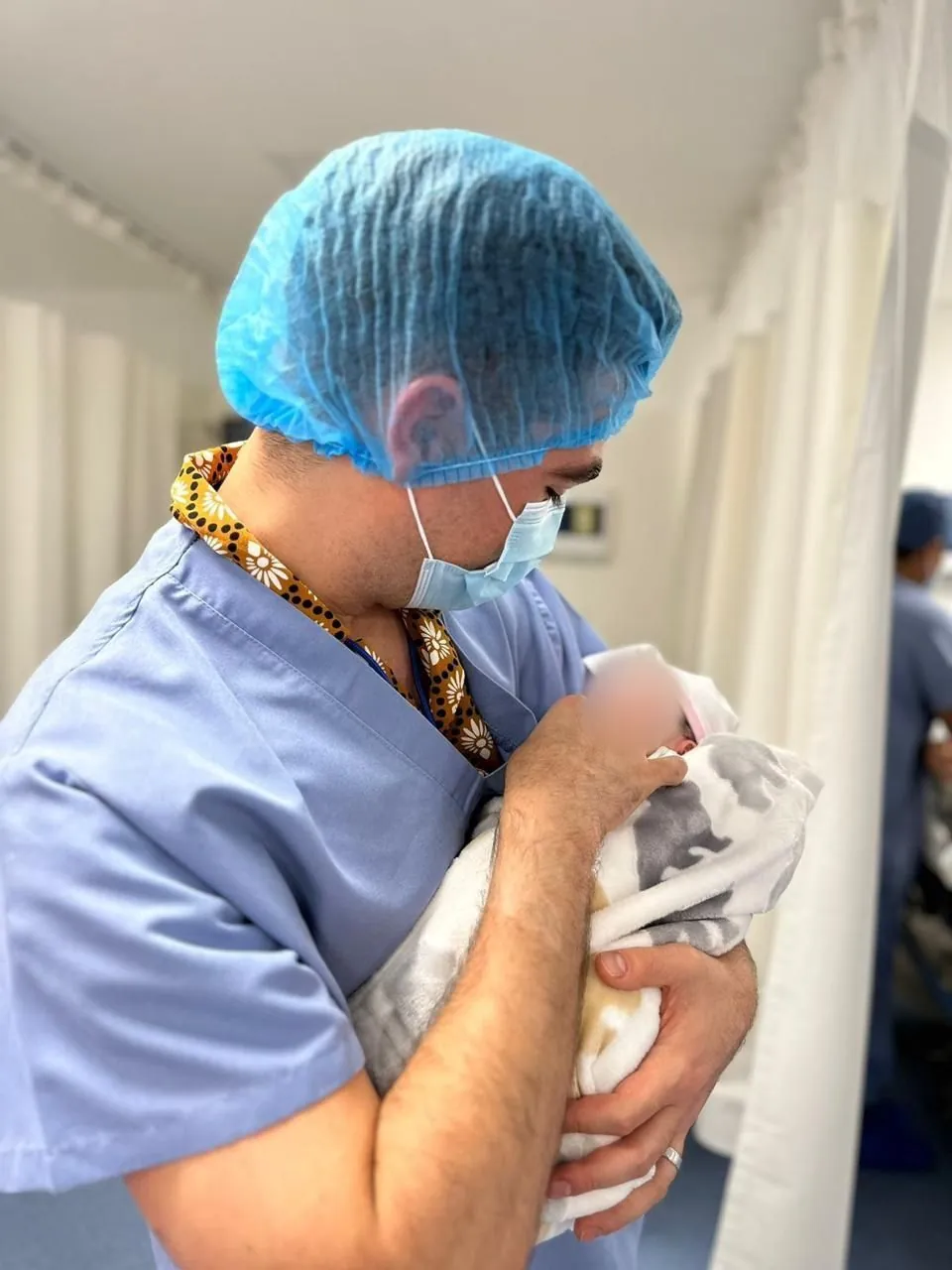
A father holding his newborn for the first time in a private hospital in Cancún
The first hold, in a private hospital in Cancún.
6 · Home

Back home in Canada

Parents through surrogacy can apply for Employment Insurance parental benefits, and your baby is registered with your provincial health plan once you are home; each province sets its own steps and documents. Keep the Mexican birth certificate, the court order and the citizenship certificate together: they are the records every office will ask for.

7 · Two dads

For gay dads in B.C., Alberta and across Canada

Two-dad families are at the heart of our programs: roughly half of the families we work with are same-sex couples, from Vancouver and Calgary to Edmonton, Toronto and Ottawa. Both dads are named on the Mexican birth certificate, and citizenship passes through a Canadian dad who is a legal parent at birth. Single dads follow the same path, with one name on every document.

Read more in surrogacy in Mexico for gay dads and our guide for single fathers.
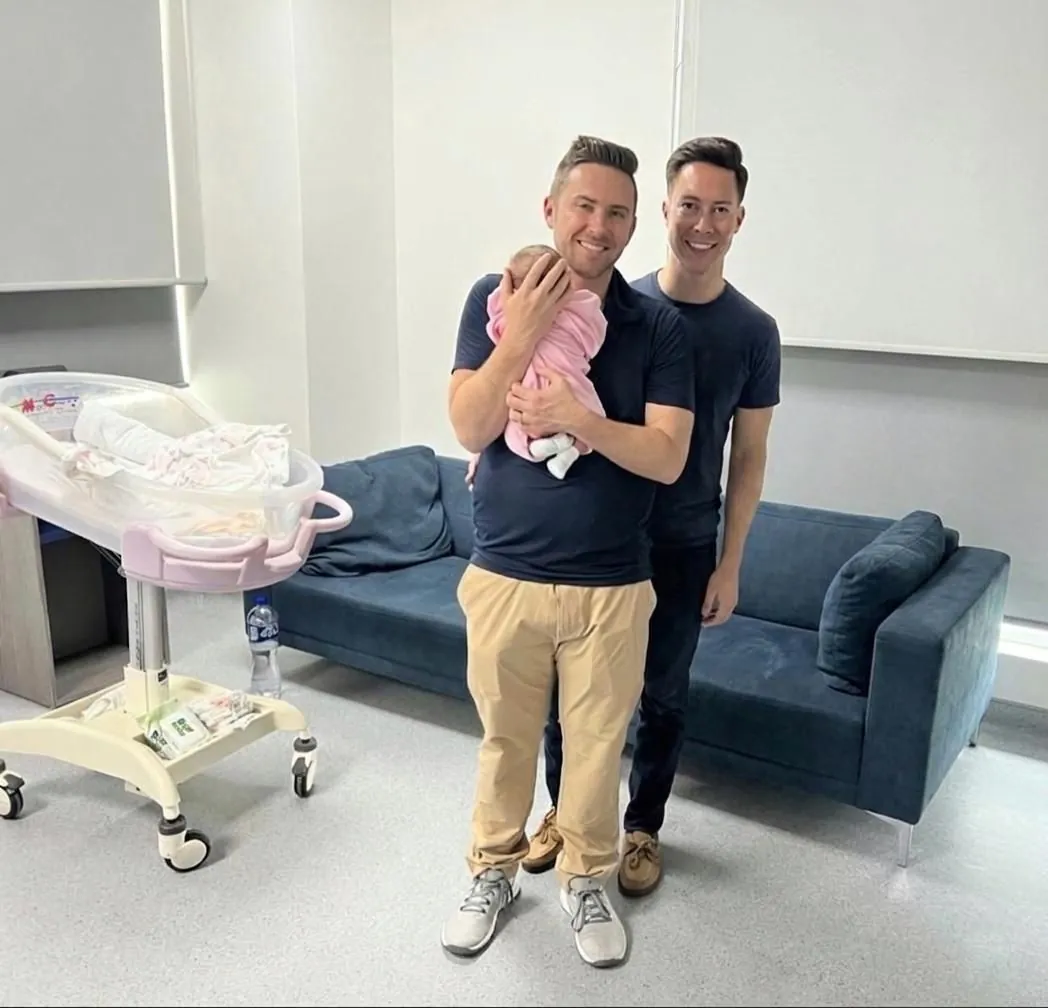
Two dads holding their newborn daughter
Two dads, one very new daughter.

Talk to the team in Cancún

A free video call with your coordinator, or a message if you prefer to write first.

8 · With us

How we work with Canadian families

One closed, all-inclusive price in U.S. dollars, from day one to the birth certificate, with payments tied to medical milestones. Our own clinic in Cancún, a coordinator who speaks English, a surrogate who has her own lawyer, and a legal team that works alongside your Canadian lawyer. Most families travel twice: once at the start and once for the birth.

See programs and costs, add your flights and stay with the time and cost calculator, and read the complete guide to surrogacy in Mexico.
Questions

Surrogacy in Mexico for Canadians, question by question

Can Canadians do surrogacy in Mexico?

Yes. Canadian families pursue surrogacy in Mexico every year. Canada's Assisted Human Reproduction Act governs surrogacy arrangements in Canada, including the rule that surrogates in Canada cannot be paid. Because the details of your situation matter, we recommend independent advice from a Canadian fertility lawyer before you sign, and we are glad to coordinate with them. Quebec has its own rules, explained below.

Will my baby be a Canadian citizen?

Your baby's Canadian citizenship is decided by IRCC. Since July 2020, IRCC treats a legal parent at birth and a biological parent equally for citizenship by descent. You apply for the citizenship certificate and the child's passport at the same time, and the Embassy of Canada asks families to email its consular section before applying.

Do we need a genetic link to our baby?

Having at least one genetic link to a Canadian parent keeps the citizenship file simplest. IRCC may request a DNA test from an IRCC-approved laboratory. If your plan does not include a genetic link, review it with a Canadian immigration lawyer before you start.

Where do we apply for citizenship and the passport?

Through the Embassy of Canada in Mexico, which covers Cancún through its Consular Agency (by appointment) and Playa del Carmen. Canadian parents apply for citizenship and the child's passport together, and IRCC in Canada makes the citizenship decision.

How long will we stay in Mexico after the birth?

It depends on the state where your baby is born, on the Mexican registration, and on IRCC and the embassy. We do not publish a single number because it would not be honest; in your consultation we walk you through what to expect for your case and plan your stay around it.

How much does surrogacy in Mexico cost for Canadians?

The same closed, all-inclusive price in U.S. dollars as for every family, from day one to the birth certificate, with payments tied to medical milestones. See our programs and costs for the current figures, and use the calculator to add your travel and stay.

We live in Quebec. Can we do this?

Quebec has its own rules for surrogacy outside Quebec. The Government of Quebec states that, because no State outside Canada has been designated, parental projects cannot currently be carried out outside Canada with recognition in Quebec. Please speak with a Quebec lawyer before starting any program abroad.

What if one of us is a permanent resident or was born outside Canada?

If neither parent is a Canadian citizen, the usual path is sponsoring the baby as a permanent resident. Since December 15, 2025, a Canadian parent who was also born outside Canada must show 1,095 days of physical presence in Canada before the child's birth to pass on citizenship. A Canadian immigration lawyer can confirm your situation.
See what your journey from Canada would look like

On a free video call, our coordinator walks you through the medical plan, the legal process, your baby's citizenship steps and the closed price for your case. No pressure, no commitment.

Schedule Your Free Consultation